Mer 1983
Performance in two parts
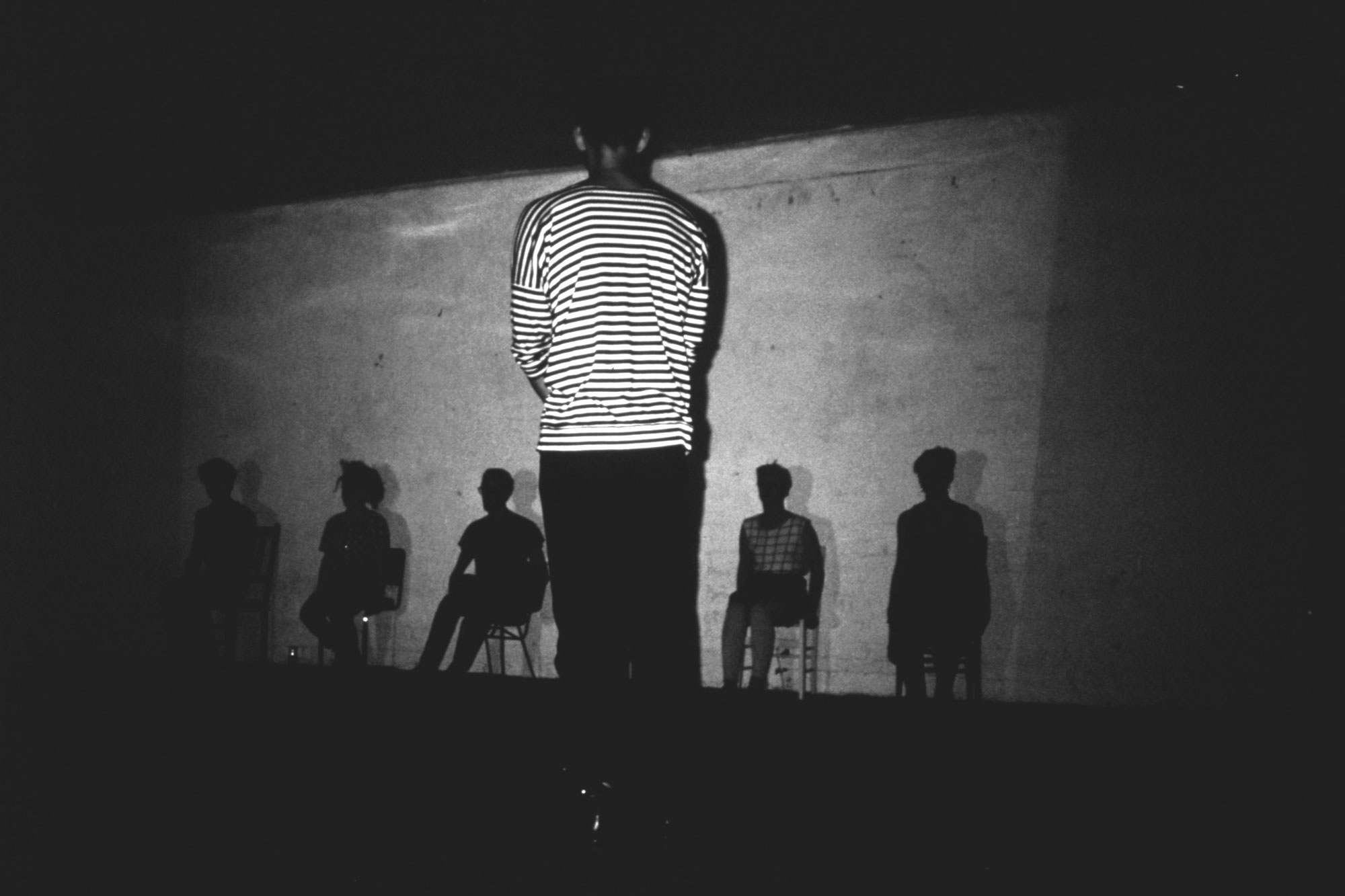
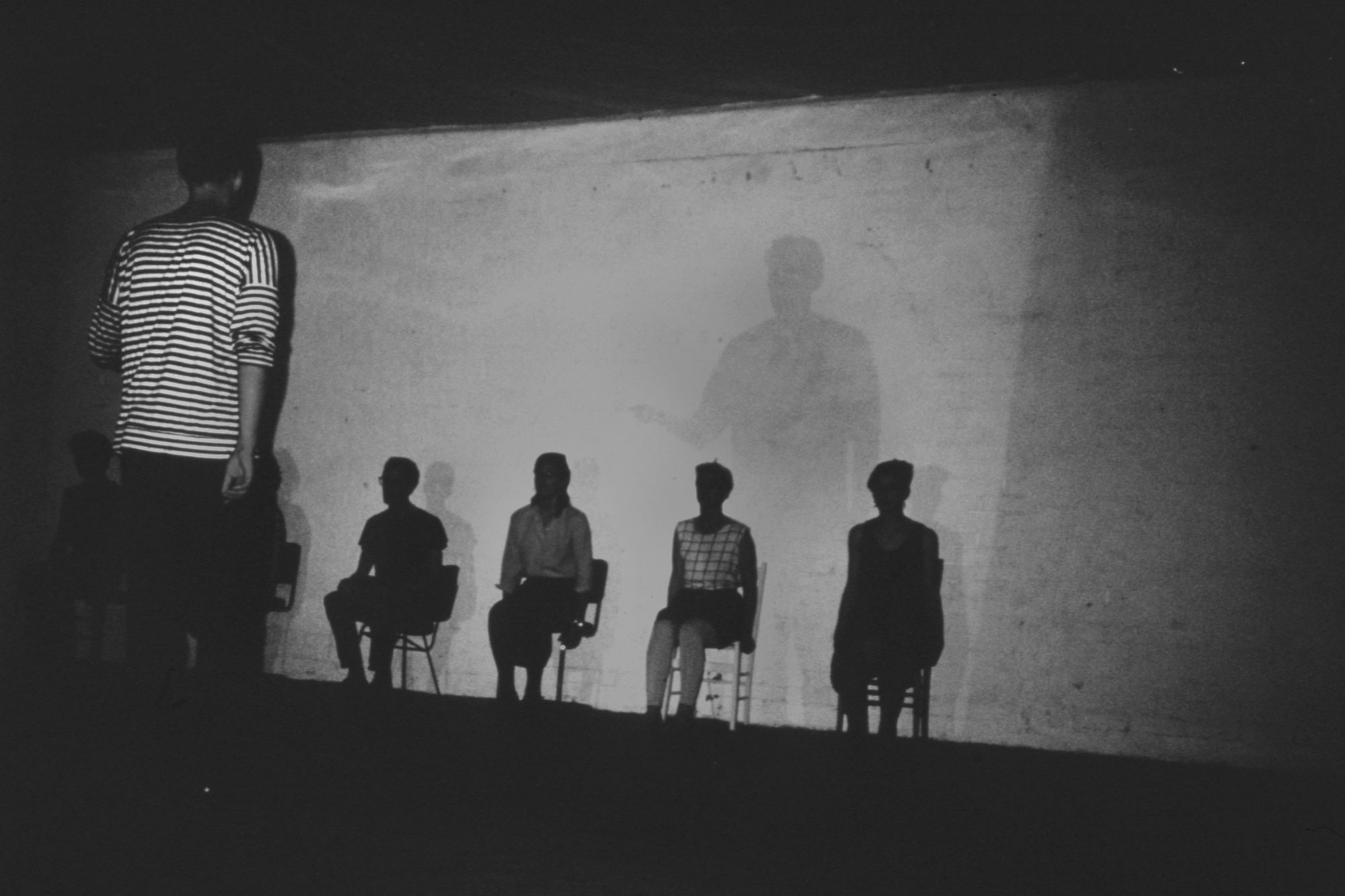
The first part: Performers speak on any topic; tell stories, speak simultaneously.
Instruction: match the volume and pitch of the other speakers; become louder, but never louder than the person next to you. Chorus duration: 10 mins.
The first part overlapped the second part.
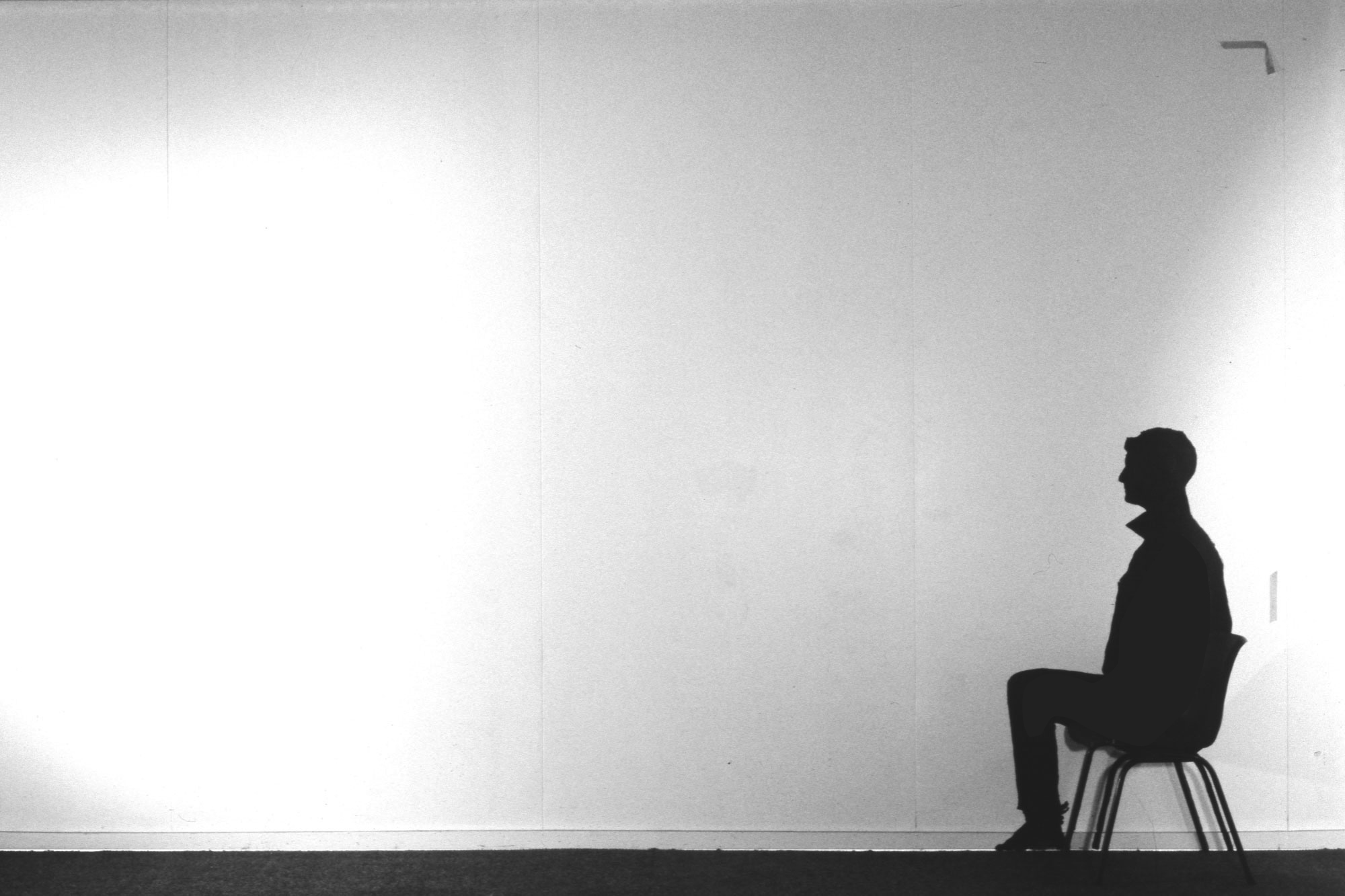
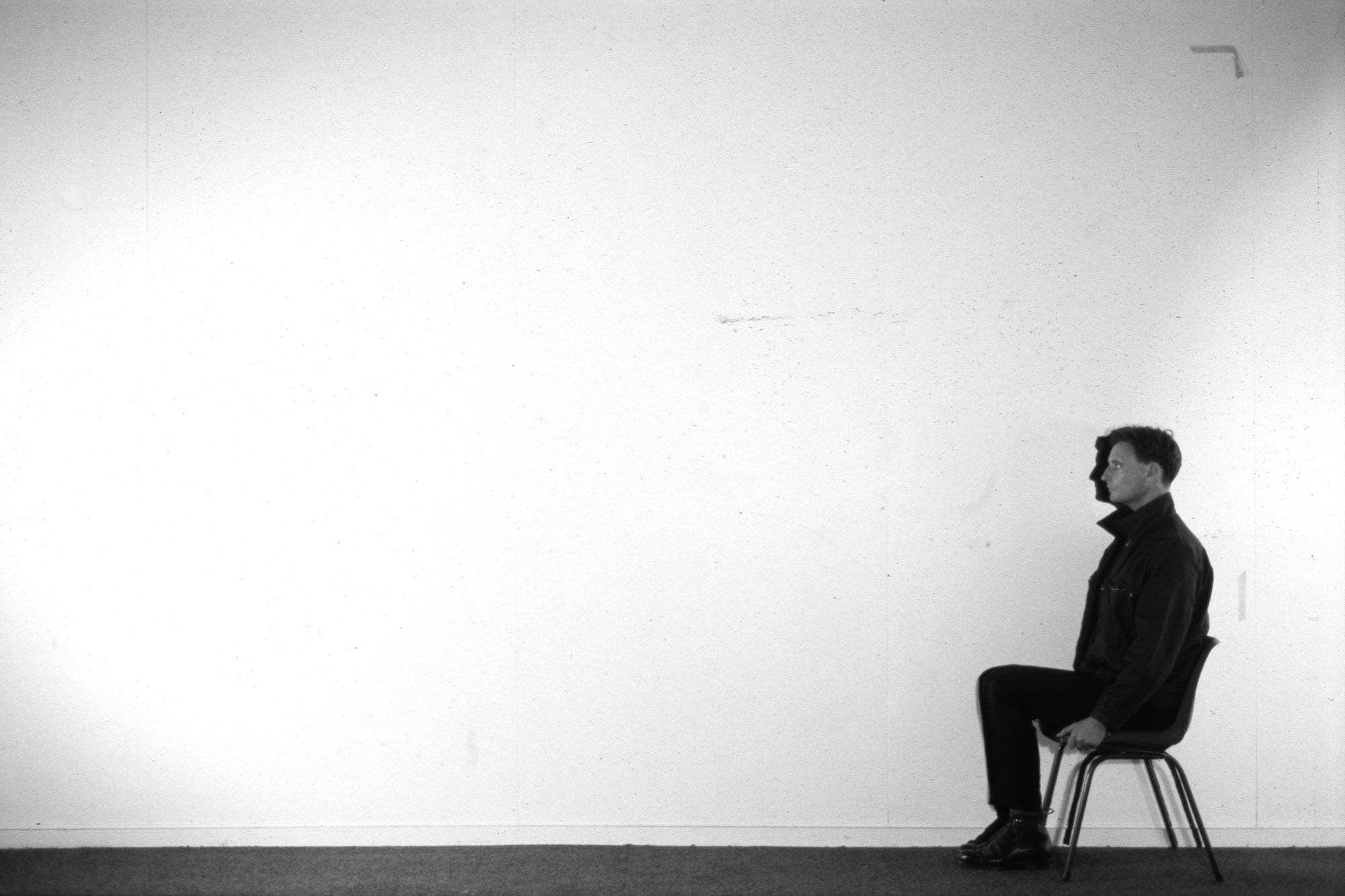
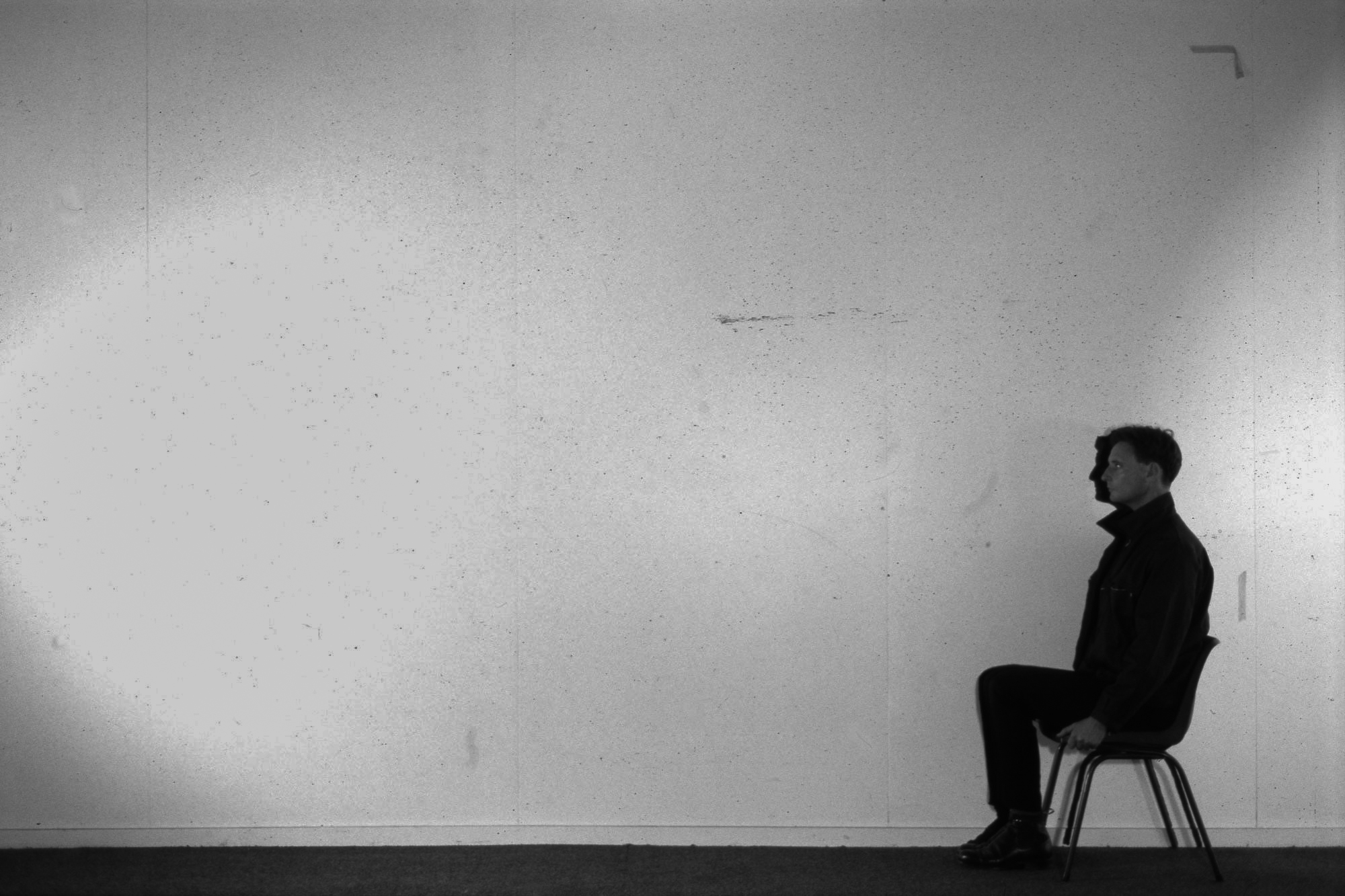
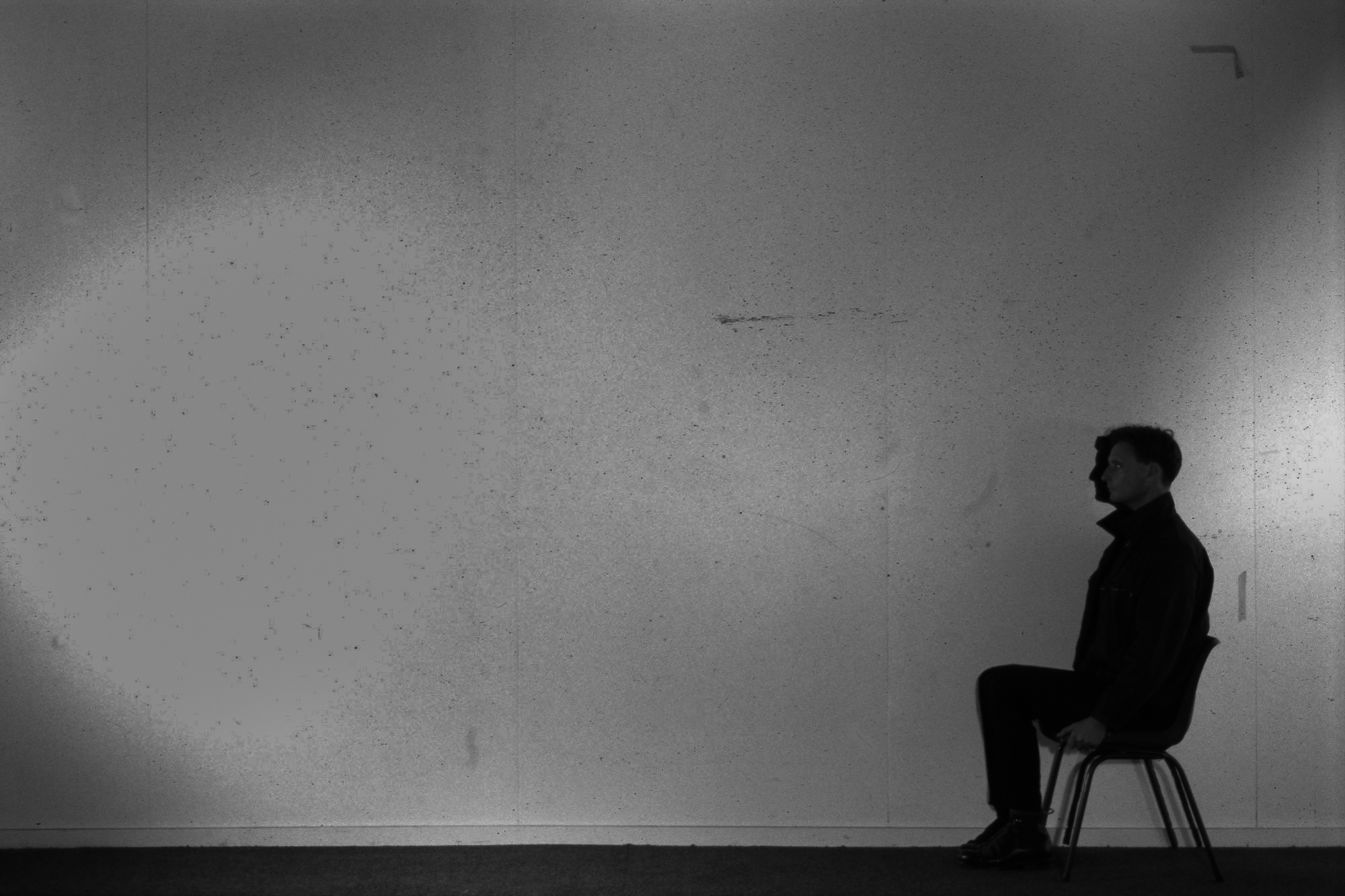
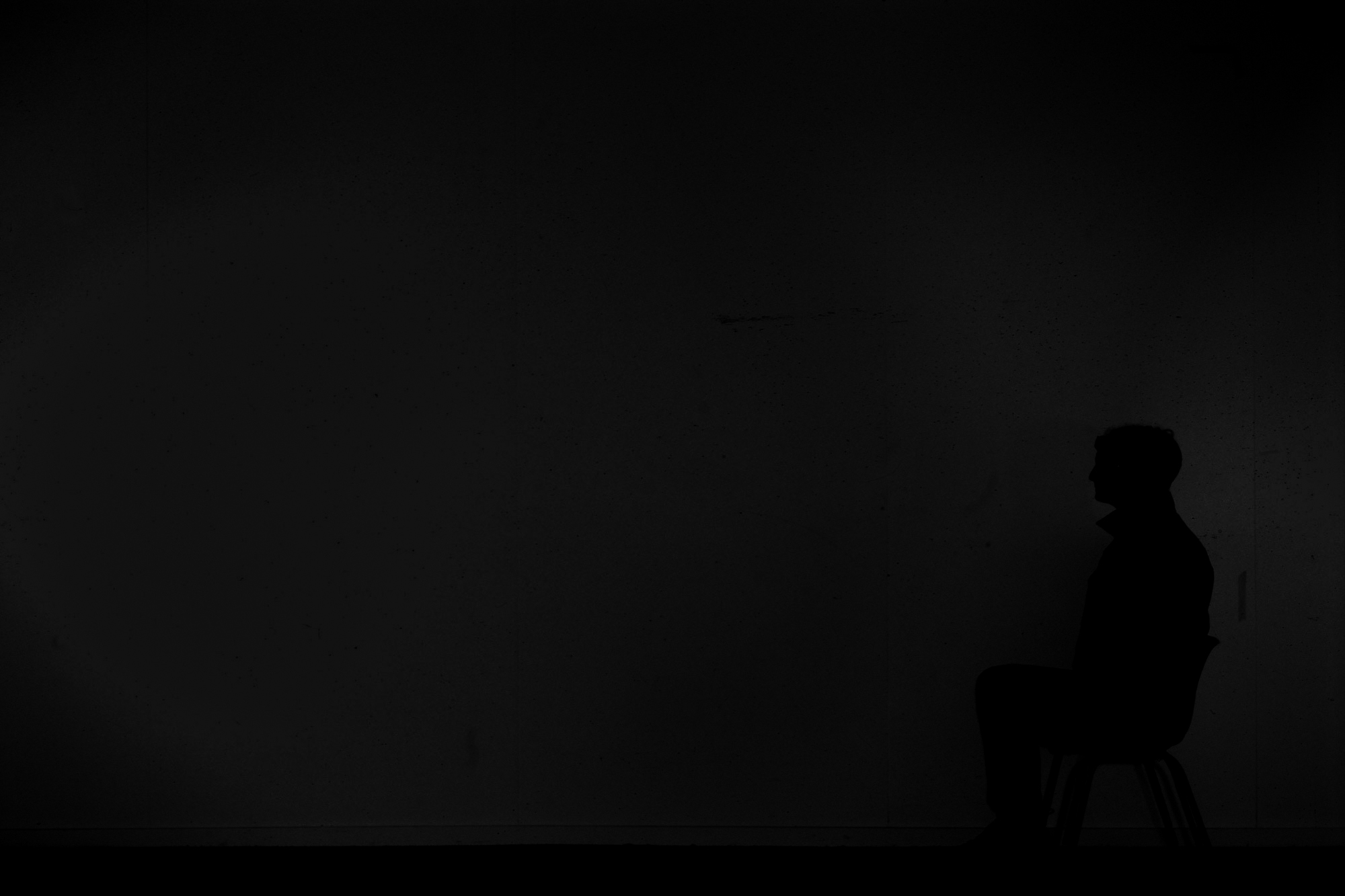
The second part: During the first part (about 7 minutes in), a black silhouette of a seated man is painted onto a nearby wall, framed by an unfocussed light from a 35mm slide projector. The painter sits in his shadow. The slide projector slowly fades to black (as slowly as possible, a secular tenebrae: 3 minutes) – the chorus voices diminish to silence as the room fades to black. The performers leave the area; lights up, on shadow.
The chorus was at times alive within its own sonic parameters, more than the sum of its parts. The chorus was a precursor work that ultimately led to the Work FILL commissioned for the 8th Biennale of Sydney in 1990.